5 Fun Facts From Pixar’s Animated Shorts

1) Renderman
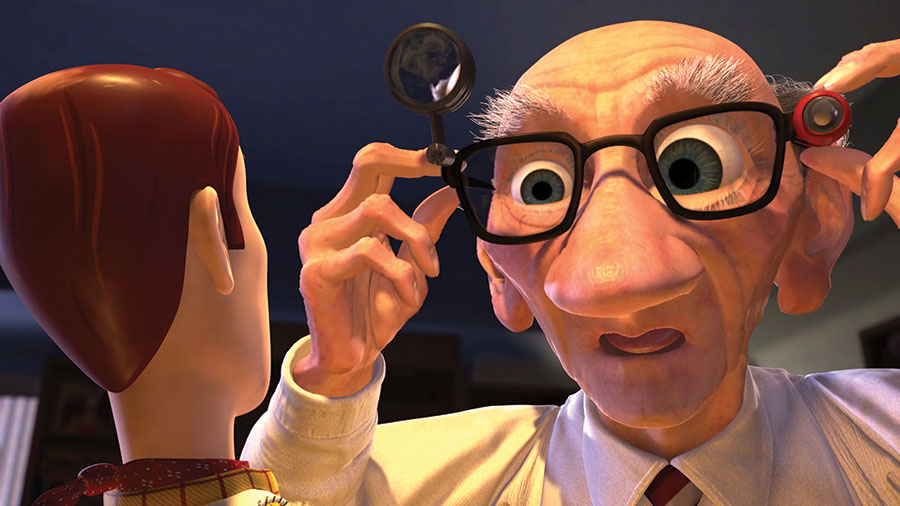
RenderMan is the photorealistic 3D rendering software developed by Pixar in 1987. It takes your final modeled scene and outputs the final image (or animation) by calculating variables such as cameras, geometry, materials, and lights. (Think of it as the CGI version of pressing the Print button!) It has been used for every Pixar production to date beginning with Tin Toy, as well as by other studios for films like Jurassic Park, Valiant, and The Garfield Movie. The name stems from a nickname that was given to a small circuit board that was created by the team. It measured 2.5 × 5 inches, small enough to fit into your pocket. This was the 80s, and at the time the Sony Walkman was at its height of its popularity. (The Walkman was a portable cassette tape player, for all you kids out there). Picking up on the name Walkman, the developers began calling the circuit board the RenderMan!
2) Luxo Jr.
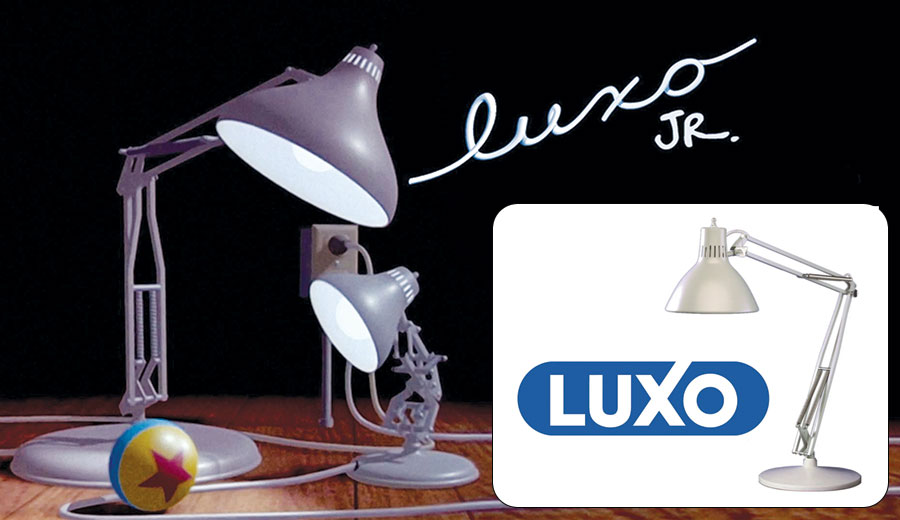
Inspiration for one of Pixar’s earliest animated shorts, Luxo Jr., came from John Lasseter’s experiments with modeling his desk lamp (manufactured by Luxo ASA in Norway). At first, Lasseter was using the lamp as a subject for a short character study to work on modeling, animation, and rendering. And that’s where the project would have stayed if not for a fortuitous meeting with Raoul Servais, a highly respected animator from Belgium. He told Lasseter, “No matter how short it is, it should have a beginning, a middle, and an end, Don’t forget the story.” At first, Lasseter protested that the film was too short to have any plot, to which Servais replied, “You can tell a story in ten seconds.” Not only would this give Lasseter a new direction for the short film, but it would also lay the foundation for the very heart and soul of Pixar in the years ahead. Luxo Jr. is notable for its lasting presence in the Pixar canon. The lamp, Luxo Jr. himself, and the ball with the red star (later named The Luxo Ball) both serve as elements of Pixar’s logo and brand identity to this day.
3) Geri’s Game
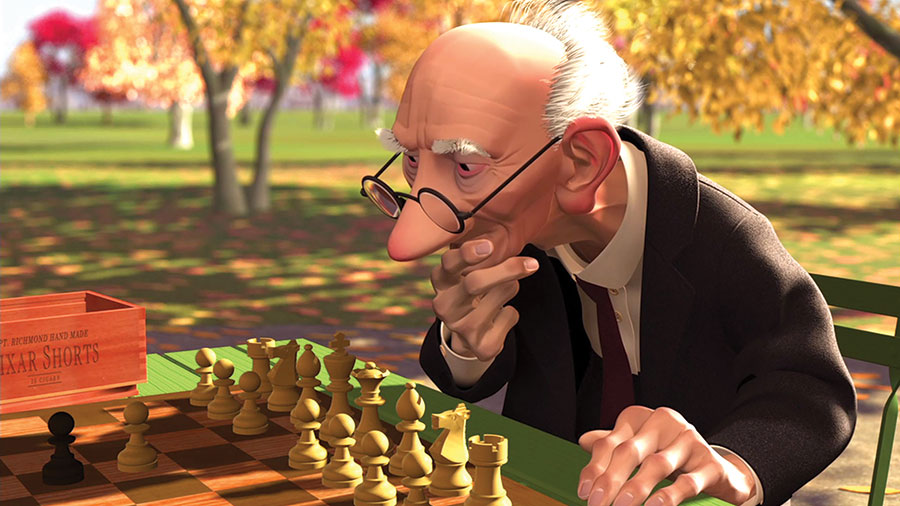
The 1997 short Geri’s Game (which was screened with the 1998 release of A Bug’s Life), was the first Pixar project to feature a human character as the main focus. In order to make Geri’s skin look realistic, a technology called “subdivision surface” was used for the first time. Subdivision surfaces let the animator treat the character’s skin as one large surface, allowing for more detail and smoother movement. It was also the first time a cloth simulator was employed in order to create the smooth movements of Geri’s clothing. Instead of animating Geri’s jacket one frame at a time, the preliminary animation would be sent to the simulator, which would automatically calculate the movements and wrinkles in the material based on Geri’s movements. The simulator could dynamically render the jacket as it “reacted” to its environment, resulting in a much more realistic depiction.
4) Knick Knack
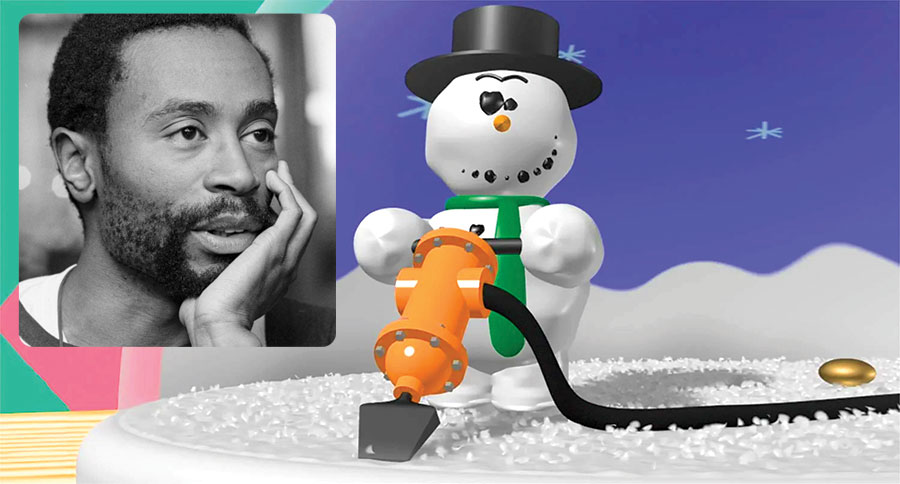
Knick Knack (released in 2003 with Finding Nemo) had no dialog, as was the case with every Pixar short produced to date. Or was it? While there are no spoken words, the soundtrack was provided by singer Bobby McFerrin (best known for his hit “Don’t Worry, Be Happy”). McFerrin improvised the short’s theme while he watched a rough cut of the film. Humorously, McFerrin saw the placeholder credits in the rough cut that, at this point, simply read blah-blah-blah-blah. He decided to include them in the film’s music, and you can hear them during the final credits!
5) Lifted
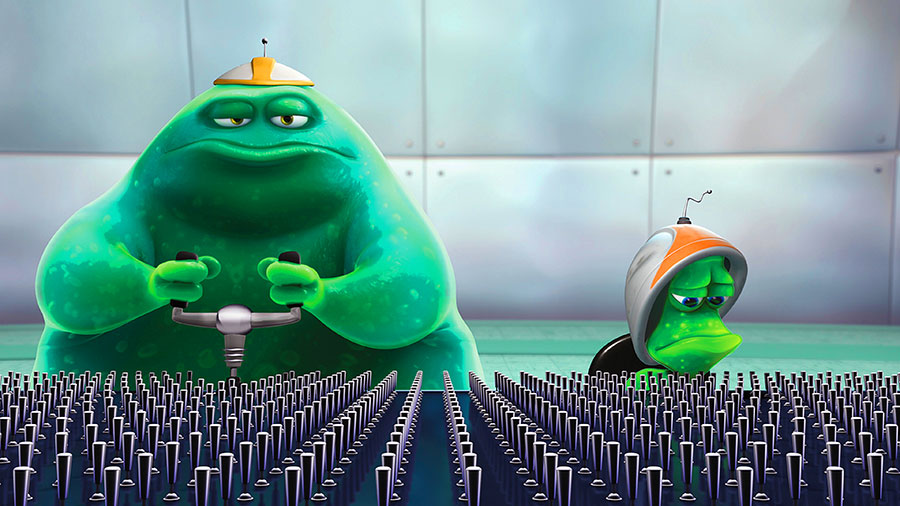
For the production of Lifted (in which a young alien named Stu is taking his Extraterrestrial Abduction Exam), Pixar animators utilized a new program called “Jiggle,” a simulation system for creating realistic secondary motion and rendering deformation effects. The “Jiggle” software is often used to add subtle movements, wobbles, and deformations to characters or objects, enhancing the animation’s overall visual appeal and realism (used to great effect here to animate the gelatinous aliens). It can also simulate effects like hair or fur bouncing, cloth dynamics, or even the subtle movements of muscles and flesh.
We’ll leave you with one more fun fact! The human character in Lifted, Ernie, may look strangely familiar. Lifted was released theatrically in 2007 alongside Ratatouille, and if you pay attention, you’ll see that the look of Ernie was based on an early design model of Linguini! Seems like someone’s always trying to control him…
Discover More Disney Magic in the Spring issue of Celebrations Disney Magazine!
Immerse yourself in the magic of Disney with features and pictorials on:
• The Secret Magic of Walt Disney World
• The Stage Shows of Disney
• The Orange Bird
• Pirates of the Caribbean
• Hoppers
and Much More!!

Click here to order!