10 Fun Facts About Hoppers
1. Avatar for Animals?
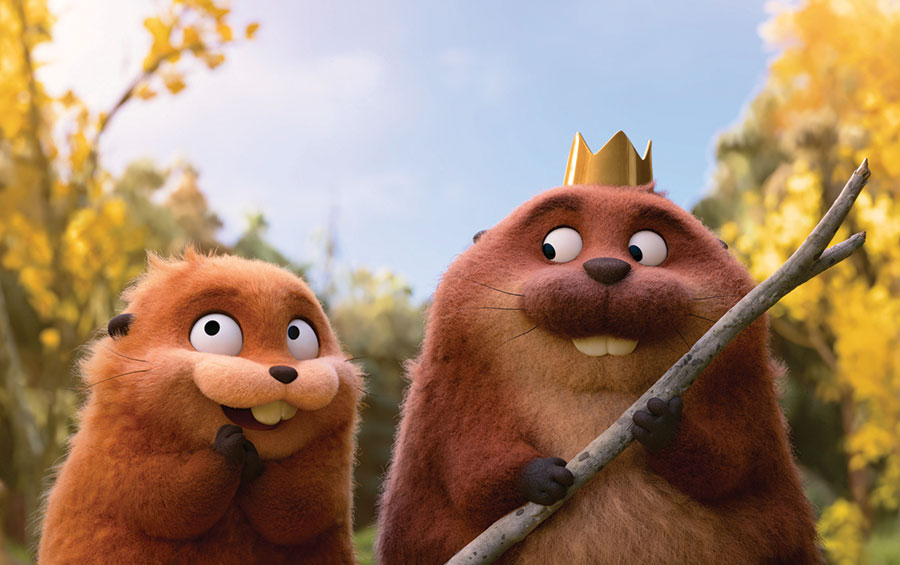
While it’s a drastic oversimplification, that’s an easy way to describe Hoppers. And in all seriousness, that’s exactly what the creators had in mind. In its earliest incarnation, its working title was simply Penguin Avatar. Instead of focusing on beavers, it would have been all about penguins, an idea which Pixar leadership quickly nixed. But the Avatar angle remained.
2. Wait, Penguins?
Yep, penguins! As mentioned, the film’s original concept centered around penguins. A great idea, but after realizing that there have been many animated films featuring penguins, the decision was made to switch to beavers instead. Wait, why beavers?
3. From Penguins to Wolves to Beavers
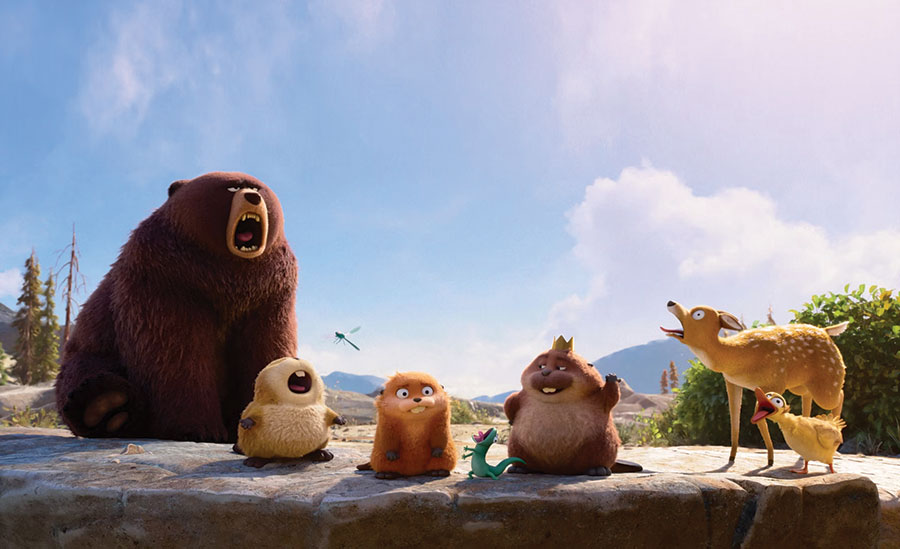
The inspiration to make the film’s protagonists beavers was actually inspired by wolves. While working on the film, director Daniel Chong came across a story about wolves being reintroduced to Yellowstone National Park. He was surprised to see that beavers were a key part of the plan. As he later recalled, “When the beavers returned, they created these ponds and dams, and once you have that, all the animals returned because you got a water source. And I think, once I started seeing that, you’re like, ‘Oh my gosh, these beavers…they’re ecosystem engineers. They shift the land.’ And, on top of that, they’re super cute and super chunky.”
4. Educational…and Inspirational
Nature documentaries also helped inform the ideas at the center of the film. “One of the things that inspired me a lot was these nature documentaries where they put robots into the animal world, and they try to get them to fit in,” Chong said of the inspiration for Hoppers. “I’m sure you might have seen these videos. They look kind of janky, these robots. It felt like it was ripe for comedy, this idea of how humans try so hard to fit into the animal world and the weird things that happen through that.”
5. Pond Rules
As the creative team began working on the film, they began by establishing some ground rules – pardon us, “pond rules” – that would delineate the differences between animals and humans, as well as outline the mechanics of “hopping.” Screenwriter Jesse Andrews explained, “We wanted to dig into nature and be honest about how intense it can be. Early on, we had conversations about, ‘If we’re going to do another animated movie about animals, how can we make it different? What territory feels relatively unexplored?’
Instead of conceiving animals that are simply furry people, we tried to keep them as animalistic as possible, while still making them funny, relatable, and identifiable.” This led to the creation of three simple in-movie rules that help keep nature in balance, as shared by the jovial beaver King George:
- Pond Rule No. 1: “Don’t be a stranger.”
- Pond Rule No. 2: “When you gotta eat, eat.”
- Pond Rule No. 3: “We’re all in this together.”
6. Bringing Nature to Life
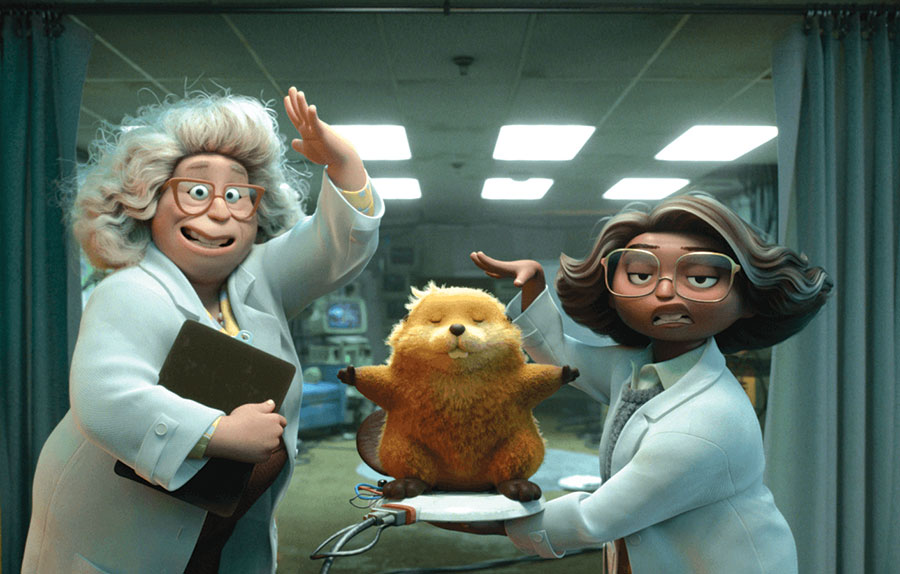
Animating nature has always been a challenge for filmmakers, going all the way back to Bambi. This is particularly true with CG, in which realism can be taken to an extreme. Scenes would often include many characters and complicated sets filled with trees, rocks, shrubbery, grass, and lots of other elements. You can see this for yourself if you take a picture outside, especially in the forest. There is so much going on that it’s hard to focus on one single thing. As Chong explains, “If you take a picture outside, it’s quite busy – there’s a lot of information, a lot of visual noise. There’s no order, and it’s not always easy to look at. But we needed to simplify things so we can focus on the characters. The question became, ‘How do you calm down nature and depict it in a way that looks beautiful and recognizable but isn’t distracting?’ There was a lot of coordination across departments to stylize and simplify the shapes and the overall look while making it feel natural.”
7. New Tools
To find the right balance between the characters and the background, the artists utilized a newly designed paintbrush tool that enabled them to add brushstrokes to their models and simplify the backgrounds without losing the rich texture of the environments.
8. Turn Out the Lights
Another challenge was illuminating the nighttime scenes. Extra care was taken to ensure that the scenes didn’t become too dark or too spooky. To solve this dilemma, the lighting artists used a longer exposure to bring more light into the nighttime scenes. By leaving the lens open long enough (keep in mind we’re talking virtually!), the artists were able to retain the feeling of nighttime while having enough light bouncing off the characters and scenery to make the scenes easy to navigate visually – and to keep them from looking like a creepy graveyard.
9. The Importance of Color
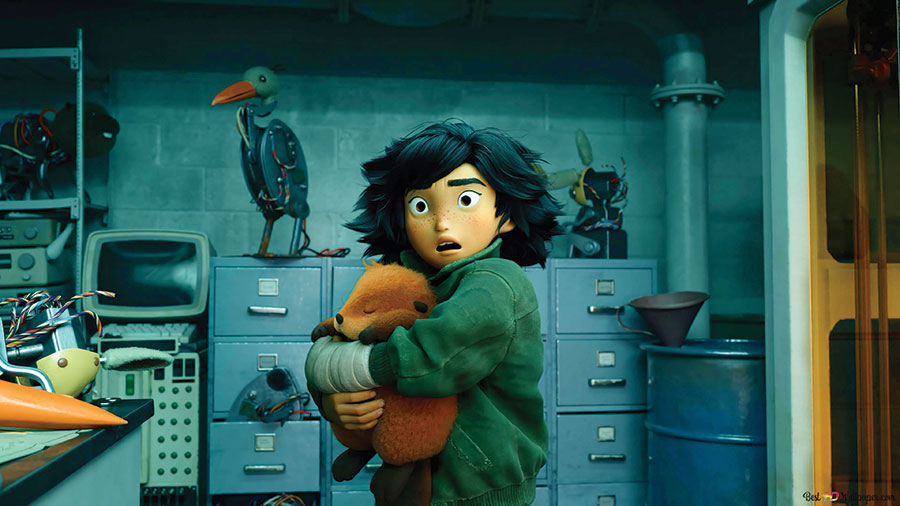
You might think that many of the color decisions of the film would have been easy, seeing as most of the color choices were dictated by nature. But color does play an important role in the film. To connect Mabel to nature, the creative team used green for her jacket. Red was used to represent fire, danger, and destruction.
10. Don’t Look Now
If you pay attention, you’ll notice that the eyes of the animals change depending on whether we’re seeing them from an animal or human perspective.
____________________________________________________________
You can read more about Pixar’s in Shaun Jex’s Featured Film article in issue #94 of Celebrations Magazine!
Discover More Disney Magic in the Fall issue of Celebrations Disney Magazine!
Immerse yourself in the magic of Disney with features and pictorials on:
• The Carousel of Progress
• The Posters of Disney
• Buzz Lightyear
• Disney’s Contemporary Resort
• The Incredibles
and Much More!!
Click here to order!